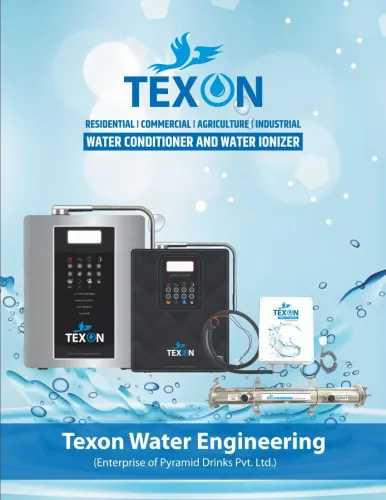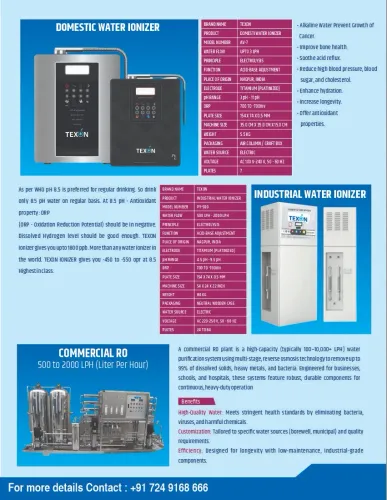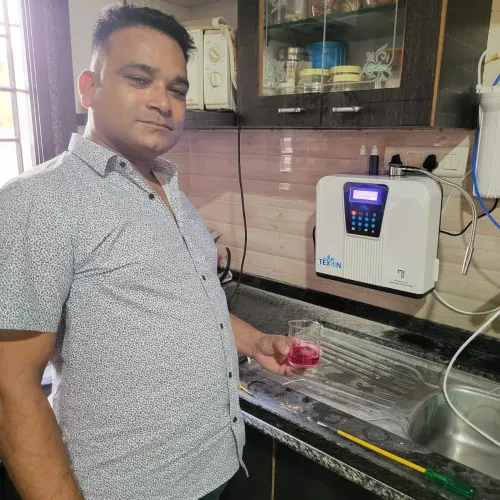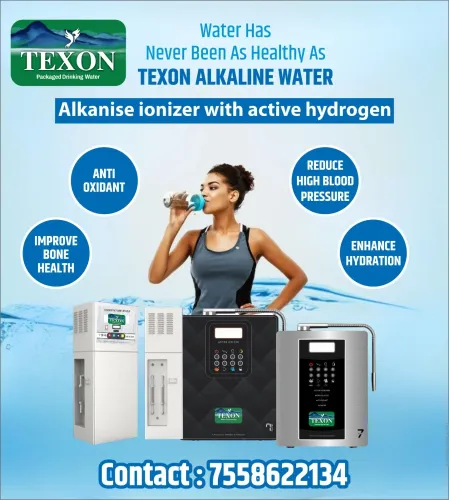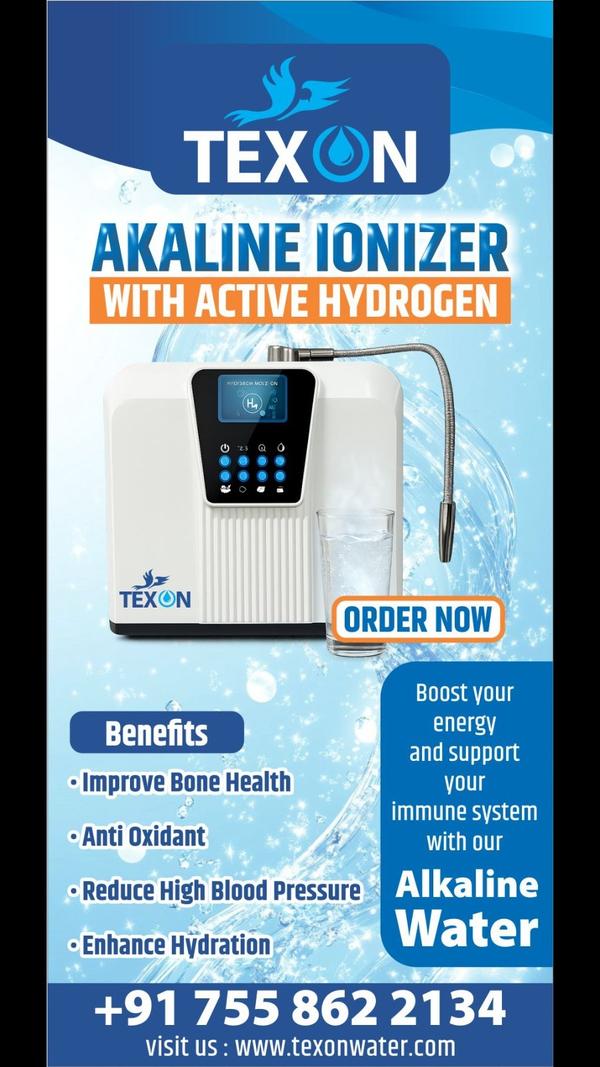

Alkaline water has become quite popular in wellness circles over the past decade, often marketed as a way to improve health, increase energy, and even slow aging. Here’s a breakdown of what it is, why it’s trendy, and what science actually says:
🌊 What Alkaline Water Is
Alkaline water has a higher pH (usually 8 or 9) than regular tap water (which is around pH 7, neutral).
It’s often produced in one of two ways:
Ionization: Using an alkaline water ionizer that splits water into alkaline and acidic components.
Mineral infusion: Adding minerals like calcium, magnesium, or potassium to raise the pH.
💫 Why It’s Popular
Alkaline water is heavily promoted by wellness influencers, athletes, and celebrities who claim it can:
Neutralize acid in the bloodstream
Improve hydration and athletic performance
Boost metabolism and energy levels
Slow aging via antioxidant effects
Detoxify the body
It’s become a symbol of a “clean living” lifestyle — much like cold-pressed juices or adaptogenic teas.
🧪 What the Science Says
So far, research does not strongly support most of these claims:
The body tightly regulates its blood pH regardless of what you drink or eat.
Some studies suggest slight hydration benefits in athletes drinking alkaline water, but results are mixed.
There’s no solid evidence it detoxifies, changes metabolism, or prevents disease.
Drinking alkaline water in moderation is safe for most people, but excessive intake can lead to metabolic alkalosis (especially in people with kidney issues).
🧍♀️The Bottom Line
Hype factor: High — it’s part of the wellness “optimization” trend.
Evidence: Weak for most health claims.
Best use: If you enjoy the taste or feel more hydrated, it’s harmless. But it’s not a magic bullet for wellness.
Would you like me to include some examples of popular alkaline water brands and how they market themselves? That could help illustrate the trend in wellness culture.
🌊 What Alkaline Water Is
Alkaline water has a higher pH (usually 8 or 9) than regular tap water (which is around pH 7, neutral).
It’s often produced in one of two ways:
Ionization: Using an alkaline water ionizer that splits water into alkaline and acidic components.
Mineral infusion: Adding minerals like calcium, magnesium, or potassium to raise the pH.
💫 Why It’s Popular
Alkaline water is heavily promoted by wellness influencers, athletes, and celebrities who claim it can:
Neutralize acid in the bloodstream
Improve hydration and athletic performance
Boost metabolism and energy levels
Slow aging via antioxidant effects
Detoxify the body
It’s become a symbol of a “clean living” lifestyle — much like cold-pressed juices or adaptogenic teas.
🧪 What the Science Says
So far, research does not strongly support most of these claims:
The body tightly regulates its blood pH regardless of what you drink or eat.
Some studies suggest slight hydration benefits in athletes drinking alkaline water, but results are mixed.
There’s no solid evidence it detoxifies, changes metabolism, or prevents disease.
Drinking alkaline water in moderation is safe for most people, but excessive intake can lead to metabolic alkalosis (especially in people with kidney issues).
🧍♀️The Bottom Line
Hype factor: High — it’s part of the wellness “optimization” trend.
Evidence: Weak for most health claims.
Best use: If you enjoy the taste or feel more hydrated, it’s harmless. But it’s not a magic bullet for wellness.
Would you like me to include some examples of popular alkaline water brands and how they market themselves? That could help illustrate the trend in wellness culture.
Keywords